
Contents
Overview
Yoga is a multifaceted discipline originating in ancient India, encompassing physical postures (asanas), breath control (pranayama), meditation, and ethical principles. Its ultimate aim, rooted in traditions like Hinduism, Jainism, and Buddhism, is to achieve union of the individual consciousness with the universal, leading to liberation (moksha). While classical yoga texts detail a systematic path, modern interpretations often emphasize the physical and relaxation aspects, making it a globally practiced form of exercise. The practice's enduring appeal lies in its holistic approach to well-being, addressing physical health, mental clarity, and spiritual growth.
🎵 Origins & History
Early mentions of yoga-like practices appear in the Rigveda, one of the oldest sacred texts. The term 'yoga' itself, derived from the Sanskrit word 'yuj,' meaning 'to yoke' or 'union,' appears in texts dating back over 2,500 years, underscoring its ancient lineage. This classical period laid the groundwork for diverse schools of yoga that would emerge over centuries.
⚙️ How It Works
At its core, yoga seeks to integrate the body, mind, and spirit. The physical aspect, asanas, involves a variety of postures designed to build strength, flexibility, and balance, preparing the body for deeper practices. Pranayama, or breath control techniques, are central to regulating energy (prana) and calming the nervous system. Meditation, known as dhyana, cultivates focus and mindfulness, leading towards samadhi, a state of profound concentration or absorption. Ethical observances (Yamas) and personal observances (Niyamas) form the moral foundation, guiding practitioners toward self-discipline and inner peace, as outlined in Patanjali's system.
📊 Key Facts & Numbers
The term 'yoga' itself, derived from the Sanskrit word 'yuj,' meaning 'to yoke' or 'union,' appears in texts dating back over 2,500 years, underscoring its ancient lineage.
👥 Key People & Organizations
While numerous influential figures have shaped yoga's evolution, The Art of Living Foundation and the Isha Foundation continue to offer yoga and meditation programs to millions worldwide, adapting ancient teachings for contemporary audiences.
🌍 Cultural Impact & Influence
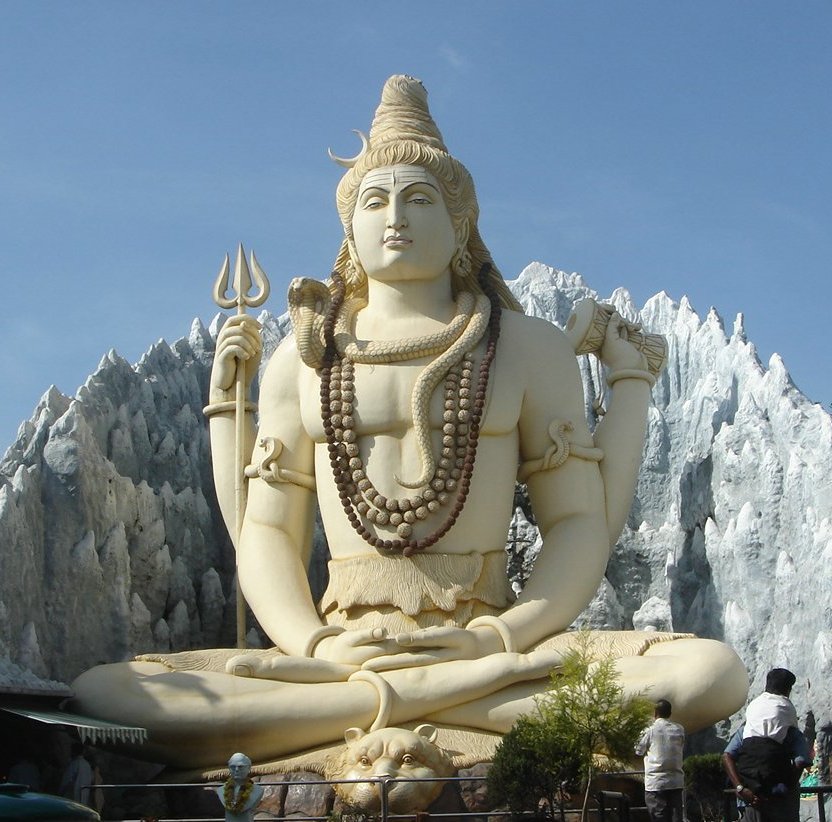
Yoga's influence extends far beyond its practitioners, permeating global culture, wellness industries, and even therapeutic practices. Yoga has inspired countless books, documentaries, and academic studies exploring its physiological and psychological benefits. The visual language of yoga, particularly the depiction of asanas, is widely recognized, appearing in art, advertising, and media. Its integration into mainstream fitness routines and its adoption by celebrities have significantly boosted its visibility. The practice has also been adapted for specific populations, leading to specialized forms like prenatal yoga and yoga therapy, demonstrating its adaptability and broad appeal.
⚡ Current State & Latest Developments
In 2024, yoga continues its trajectory as a dominant force in the global wellness sector. Online yoga platforms and virtual classes, accelerated by the COVID-19 pandemic, remain popular, offering accessibility and convenience. There's a growing emphasis on trauma-informed yoga and yoga for mental health, with research increasingly validating its efficacy in managing conditions like anxiety and depression. New styles and fusion practices, such as 'yoga sculpt' (combining yoga with weights) and 'acro yoga' (partner acrobatics), continue to emerge, reflecting the dynamic evolution of the practice.
🤔 Controversies & Debates
One of the most persistent debates surrounding yoga concerns its secularization in the West, with critics arguing that the spiritual and philosophical underpinnings are often stripped away, reducing it to mere physical exercise. This commodification raises questions about cultural appropriation, particularly when practices are taught without acknowledging their origins or deeper meanings. Furthermore, the commercialization of yoga, with expensive studios and retreats, has led to discussions about accessibility and inclusivity. There are also ongoing discussions about the appropriate use of yoga in therapeutic contexts, with debates on whether it should be considered a complementary therapy or a standalone treatment for certain conditions.
🔮 Future Outlook & Predictions
The future of yoga likely involves a continued balancing act between its ancient roots and modern adaptations. We can expect further integration into healthcare systems as a recognized mind-body intervention, supported by robust scientific research. The development of AI-powered yoga instruction and personalized practice apps may offer new avenues for engagement. Simultaneously, there's a growing movement to reclaim and preserve the philosophical depth of yoga, with increased interest in traditional texts and lineages. The challenge will be to ensure that as yoga evolves, its core principles of self-awareness, ethical conduct, and spiritual inquiry are not lost in translation.
💡 Practical Applications
Yoga's practical applications are vast, extending from personal well-being to professional development. For individuals, it offers a pathway to improved physical health, stress reduction, and enhanced mental clarity. In clinical settings, yoga therapy is employed to manage chronic pain, improve cardiovascular health, and support mental health treatment. Businesses are increasingly incorporating yoga and mindfulness programs into employee wellness initiatives to boost productivity and reduce burnout. Educational institutions are exploring its use to improve student focus and emotional regulation. The practice also serves as a foundation for other disciplines, influencing martial arts and dance forms.
Key Facts
- Category
- culture
- Type
- concept