
Contents
- 🌱 Origins of Mindful Sustainability
- 💡 Core Principles in Practice
- 📊 Impact Metrics for Families
- 👨👩👧👦 Key Influencers and Communities
- 🌍 Global Resonance and Local Action
- 🚀 Current Trends in Conscious Parenting
- ⚖️ Debates and Ethical Considerations
- 🔮 Future Pathways for Sustainable Families
- ✅ Practical Applications for Home
- 📚 Further Exploration and Resources
- References
Overview
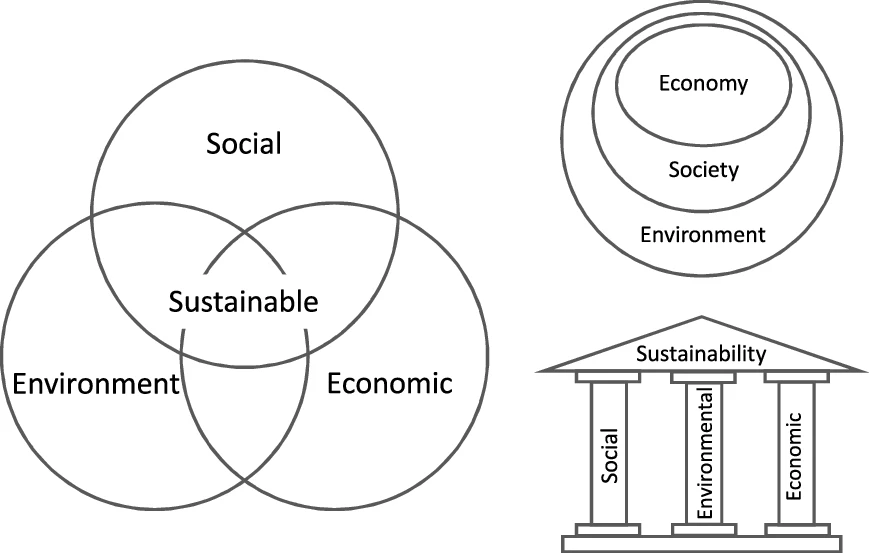
Sustainability, through the lens of mindful parenting, is the practice of making conscious choices that ensure the well-being of future generations and the planet. It extends beyond environmental conservation to encompass ethical consumption, mindful resource management, and fostering a deep connection with nature. This approach encourages parents to integrate principles of ecological balance and social responsibility into their daily lives, from the food they eat to the products they buy and the education they provide. It's about creating a harmonious relationship between family life and the wider world, recognizing that the health of one is intrinsically linked to the health of the other. The goal is to equip children with the values and understanding needed to thrive in a world that increasingly demands responsible stewardship.
🌱 Origins of Mindful Sustainability
The concept of sustainability, when filtered through the lens of mindful parenting, finds its roots not in academic journals or corporate boardrooms, but in the ancient wisdom of living in balance with nature and community. For modern parents, this translates to a conscious effort to move away from a consumerist mindset towards one that values durability, repairability, and minimal environmental impact.
💡 Core Principles in Practice
At its heart, sustainability for mindful parents involves a commitment to a set of core principles that guide daily decisions. This includes prioritizing 'reduce, reuse, recycle' not just as a slogan, but as a lifestyle. It means making informed choices about food, opting for organic, locally-sourced, and plant-based options when possible, reducing reliance on single-use plastics, and choosing durable, ethically-produced clothing and toys for children. Furthermore, it involves fostering a sense of environmental stewardship in children from an early age, teaching them about the natural world through activities like gardening, nature walks, and engaging with educational resources. The emphasis is on mindful consumption and a deep appreciation for the resources we use.
📊 Impact Metrics for Families
Measuring the impact of sustainability within a family context goes beyond simple carbon footprint calculations. It involves assessing the long-term health and well-being of children, both physically and mentally, by reducing exposure to toxins and fostering a connection with nature. For instance, a family that reduces its consumption of processed foods and opts for whole, organic ingredients might see a decrease in childhood allergies and an improvement in overall vitality. Similarly, a commitment to buying fewer, higher-quality toys that can be passed down or repaired can lead to less waste and a more organized, less cluttered home environment. The economic dimension is also crucial, with mindful purchasing often leading to long-term savings through reduced consumption and increased durability, as seen in the growing popularity of the circular economy model.
👨👩👧👦 Key Influencers and Communities
The landscape of mindful sustainability for parents is shaped by a growing community of influencers, authors, and organizations. Figures like Bea Johnson, author of 'Zero Waste Home,' have inspired millions with practical advice on reducing household waste. Online platforms and communities, such as Zero Waste Home's blog and associated social media groups, provide a space for parents to share tips, challenges, and successes. Organizations like the Environmental Working Group (EWG) offer crucial data and guides on product safety, helping parents make informed decisions about everything from skincare to food choices. These communities foster a sense of collective action and shared purpose.
🌍 Global Resonance and Local Action
The resonance of sustainability for families is global, yet its application is deeply personal and local. While international agreements like the Paris Agreement set broad targets for climate action, the real impact is felt in the choices made within individual households. Parents are increasingly seeking out local farmers' markets, supporting businesses with ethical supply chains, and participating in community initiatives like neighborhood clean-ups or school gardening projects. This global awareness combined with local action creates a powerful ripple effect, demonstrating that even small, consistent efforts can contribute to larger systemic change. The movement towards sustainable living is not confined to one region but is a growing global phenomenon.
🚀 Current Trends in Conscious Parenting
Current trends in conscious parenting reflect an evolving understanding of sustainability. Beyond the initial focus on waste reduction, there's a growing emphasis on 'slow parenting,' which encourages a less hurried, more intentional approach to family life, often aligning with sustainable values. This includes embracing natural materials, opting for experiences over material possessions, and fostering a deeper connection with the natural world through outdoor education and play. The rise of 'buy nothing' groups and clothing swaps further exemplifies this shift towards resourcefulness and community sharing. Furthermore, there's an increasing awareness of the environmental impact of digital consumption and a push for more mindful technology use within families.
⚖️ Debates and Ethical Considerations
The path of sustainability for parents is not without its debates and ethical considerations. One significant discussion revolves around the perceived cost of sustainable choices; while often presented as more expensive, critics argue that this overlooks the long-term savings and the hidden environmental and social costs of conventional, cheaper alternatives. There's also the tension between convenience and conscious consumption, particularly for busy parents juggling multiple responsibilities. Another debate centers on 'eco-shaming' versus encouraging progress, with a focus on celebrating small wins and supporting families on their journey rather than imposing rigid standards. The question of what constitutes 'enough' in a consumer-driven society remains a persistent ethical challenge.
🔮 Future Pathways for Sustainable Families
Looking ahead, the future of sustainability in parenting is likely to be characterized by greater integration of ecological principles into mainstream education and lifestyle choices. We can anticipate a continued rise in demand for sustainable products and services tailored for families, from biodegradable diapers to eco-friendly school supplies. Innovations in areas like regenerative agriculture and renewable energy will likely translate into more accessible options for families seeking to reduce their environmental footprint. The concept of 'intergenerational equity,' ensuring that future generations have the resources they need, will become an even more central tenet, driving policy and personal choices alike. The challenge will be to make these sustainable practices not just aspirational, but accessible and normative for all families.
✅ Practical Applications for Home
Practical applications of sustainability for families are numerous and can be integrated into everyday routines. This includes establishing a robust home recycling and composting system, which can significantly reduce household waste sent to landfills. Choosing reusable items like water bottles, coffee cups, and shopping bags over single-use alternatives is a simple yet effective step. When it comes to children's nutrition, prioritizing seasonal, locally-sourced produce and reducing meat consumption can have a substantial environmental benefit. For clothing and toys, opting for second-hand items, supporting brands with transparent ethical and environmental practices, and embracing repair over replacement are key strategies. Educating children about conservation through hands-on activities, like turning off lights when leaving a room or conserving water, instills lifelong habits.
📚 Further Exploration and Resources
For parents seeking to deepen their understanding and practice of sustainability, a wealth of resources exists. The Environmental Working Group (EWG) provides invaluable guides on safe food and personal care products. Books like 'Zero Waste Home' by Bea Johnson offer practical, step-by-step advice for reducing household waste. Websites and blogs dedicated to eco-parenting, such as Treehugger.com and Grounded Parents, offer articles, tips, and community forums. Engaging with organizations like the Sierra Club or local environmental groups can provide opportunities for advocacy and community involvement. Exploring concepts like the circular economy.
Key Facts
- Category
- culture
- Type
- topic